
Hop in, buckle up, and let’s take a ride on the eco-friendly highway! Energy-efficient vehicles are not just a trend; they’re a revolution on wheels, helping us reduce carbon emissions while giving Mother Earth a much-needed hug. Imagine cruising down the street knowing that your ride is as clean as a fresh pair of socks—it’s like driving a cloud!
These vehicles offer a buffet of benefits, thanks to their snazzy designs and cutting-edge tech. From hybrids to fully electric models, the marketplace is overflowing with options that give traditional gas guzzlers a run for their money. With every mile you drive in an energy-efficient vehicle, you’re not just saving money, you’re saving the planet one joyful honk at a time.
Energy-efficient vehicles overview
Energy-efficient vehicles are the superheroes of the automotive world, swooping in to save both your wallet and the planet. With the ability to reduce carbon emissions significantly, these vehicles are not just a trend; they are a necessity in the fight against climate change. As the world increasingly embraces sustainable practices, energy-efficient vehicles are leading the charge with major technological advancements and diverse offerings in the marketplace.
Benefits of Energy-efficient Vehicles in Reducing Carbon Emissions
The advantages of energy-efficient vehicles are as clear as a sunny day in July. They play a pivotal role in minimizing greenhouse gas emissions, thus contributing to cleaner air and a healthier environment. The reduction in carbon emissions is not merely a footnote; it’s the main story. By transitioning to these vehicles, we’re looking at a substantial decrease in the amount of harmful gases released into our atmosphere.
“The transportation sector accounts for about 29% of total greenhouse gas emissions in the U.S. alone.”
This shift not only helps in combating climate change but also supports public health by reducing air pollution, which is a win-win situation for everyone involved.
Technological Advancements in Energy-efficient Vehicle Designs
When it comes to technology, energy-efficient vehicles are akin to the latest smartphones: sleek, smart, and packed with features that make life easier and greener. Innovations in battery technology, aerodynamics, and materials have turned these vehicles into marvels of modern engineering. For instance, lithium-ion batteries now allow electric vehicles (EVs) to travel further on a single charge, while lightweight materials reduce overall weight and improve efficiency.
Here are some impressive advancements:
- Regenerative Braking: This feature captures energy typically lost during braking and sends it back to recharge the battery.
- Smart Energy Management Systems: These systems optimize energy use based on driving patterns, ensuring maximum efficiency.
- Advanced Aerodynamics: Designs that minimize drag to enhance fuel economy while maintaining performance.
These technologies not only boost the efficiency of energy-efficient vehicles but also enhance the overall driving experience, making it more enjoyable and sustainable.
Types of Energy-efficient Vehicles Available in the Market
The marketplace is buzzing with a variety of energy-efficient vehicles, each designed to meet different consumer needs and preferences. From hybrids to fully electric models, the options are plentiful, making it easier to choose a vehicle that aligns with your eco-friendly goals. The diversity of these vehicles enables consumers to pick one that suits their lifestyle best.
Here’s a look at some of the types available:
- Hybrid Vehicles: Combining traditional gasoline engines with electric propulsion, these vehicles reduce fuel consumption and emissions.
- Plug-in Hybrid Electric Vehicles (PHEVs): Offering both gasoline and electric power, these vehicles provide flexibility for longer trips while still being energy-efficient.
- Battery Electric Vehicles (BEVs): Running solely on electric power, these vehicles emit no tailpipe emissions and are ideal for short to medium commutes.
- Hydrogen Fuel Cell Vehicles: Using hydrogen as fuel, these vehicles emit only water vapor, making them incredibly clean and efficient.
With options ranging from practical family cars to sporty electric models, there’s something for everyone, proving that going green doesn’t mean sacrificing style or performance.
Comparison of energy-efficient vehicles and traditional vehicles
When it comes to choosing a vehicle, the battle lines are drawn between energy-efficient wonders and traditional gas-guzzlers. One side boasts of eco-friendliness and savings, while the other flaunts power and familiarity. Let’s dive into the nitty-gritty of cost-effectiveness, maintenance needs, and of course, the age-old debate of fuel efficiency. Buckle up; it’s going to be an enlightening ride!
Cost-effectiveness of Ownership
Owning an energy-efficient vehicle often feels like finding a hidden treasure chest, while traditional vehicles may seem like an old sock that keeps getting holes. The initial investment in an energy-efficient vehicle might make your wallet feel a little lighter, but the long-term savings are nothing short of a financial buffet.
Savings on Fuel
Energy-efficient vehicles, particularly hybrids and electrics, offer fuel savings that can make traditional vehicles look like they’re guzzling down liquid gold. For instance, while a gas-powered car might average 25 miles per gallon, a hybrid can easily clock in at over 50 miles per gallon, and electric vehicles? They’re practically swimming in efficiency.
Tax Incentives
Some governments bless energy-efficient vehicle owners with tax credits and incentives that make the purchase more palatable. It’s like getting a surprise gift from the tax man!
Resale Value
The resale value of energy-efficient vehicles tends to hold up better than their gas counterparts. In 2021, electric vehicles had a resale value approximately 20% higher than traditional vehicles after three years, making them the cool kids on the block.
Maintenance Requirements
Let’s face it; no one enjoys unexpected car repair bills. Maintenance is where energy-efficient vehicles can really pull ahead, often requiring less frequent and less costly upkeep compared to traditional vehicles.
Fewer Moving Parts
Electric vehicles have significantly fewer moving parts than internal combustion engines. With no oil to change, fewer fluids to check, and a brake system that lasts longer due to regenerative braking, you’ll spend less time in the mechanic’s waiting room and more time enjoying your favorite tunes.
Battery Life
While traditional vehicles may require regular servicing of their engines, energy-efficient vehicles rely on batteries, which now come with warranties that can stretch up to 8 years or more. This means fewer trips to the shop and more trips to the beach!
Overall Costs
A study by AAA showed that average maintenance costs for electric vehicles were about 50% lower than for traditional vehicles. That’s like finding a dollar bill in an old coat pocket!
Fuel Efficiency Ratings
The crown jewel in the comparison of energy-efficient vehicles versus traditional vehicles is undoubtedly fuel efficiency. It’s the metric that causes heart palpitations in gas stations everywhere!
Hybrid Vehicles
These beauties combine a gasoline engine with an electric motor. The Toyota Prius, the poster child of hybrids, boasts an astonishing average of 56 miles per gallon. It’s practically on a first-name basis with efficiency.
Electric Vehicles
Going full electric is like running on a treadmill powered by pure unicorn magic. The Tesla Model 3 can achieve up to 148 MPGe (miles per gallon equivalent), which is the efficiency equivalent of a double espresso shot for your wallet.
Internal Combustion Engines
Traditional vehicles are gradually being outpaced in the fuel efficiency race. The average gasoline-powered car might run around 25 miles per gallon. While it’s still decent, it’s been left in the dust by its hybrid and electric counterparts.
Fuel efficiency isn’t just about how far you can go; it’s about how much you save on the way!
So, as we glide through this comparison, it’s clear that energy-efficient vehicles are not just a fad; they’re a way to save money, reduce maintenance headaches, and drive into a greener future with pride. Who knew saving the planet could come with such perks?
Market trends and future of energy-efficient vehicles
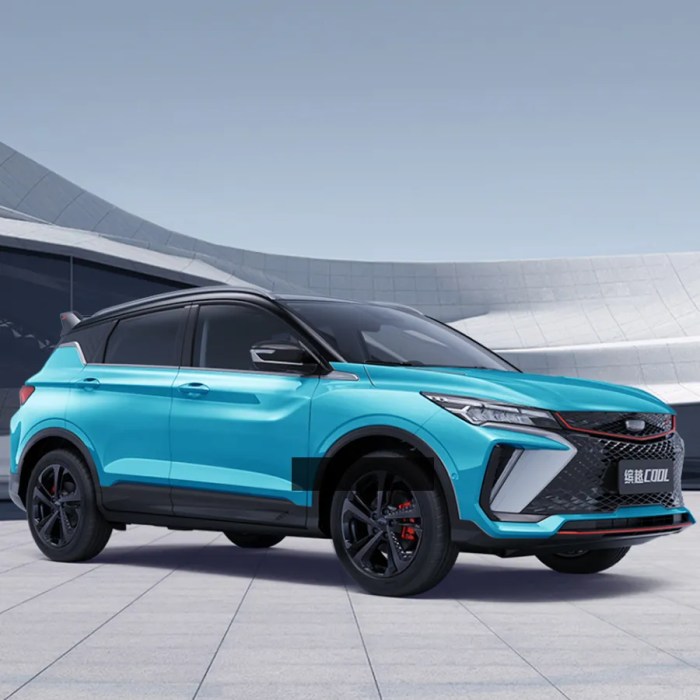
The landscape of energy-efficient vehicles (EEVs) is rapidly evolving, and it’s not just due to the snazzy looks of their aerodynamic designs. With government regulations tightening like a pair of too-small skinny jeans, combined with a consumer base that’s now more eco-conscious than a yoga instructor at a recycling center, the future is bright—and green! As these trends collide, we see a market that’s not only growing but also transforming the way we think about transportation.Government regulations and incentives are playing a pivotal role in shaping the energy-efficient vehicle market.
Countries around the globe are putting their foot down, or rather their pedal to the metal, by enforcing stricter emissions standards and offering tantalizing rebates for EEV buyers. These initiatives are not merely a slap on the wrist for traditional vehicles; they’re more like a full-on makeover that includes a personal trainer and a juice cleanse.
Impact of government regulations and incentives
As governments aim to meet climate goals, they’re pulling out all the stops to promote EEVs. The influence can be observed through various regulations and incentives:
- Tax Credits: Many governments are offering substantial tax credits for the purchase of electric or hybrid vehicles. This is like getting a surprise birthday cash gift but instead, it’s from the government for making an eco-friendly choice!
- Emissions Standards: Stricter emissions regulations are forcing automakers to innovate or risk being left behind faster than a tortoise in a race against a hare who just discovered energy drinks.
- Charging Infrastructure Development: Governments are investing in charging stations like they’re building the next luxury mall, making it easier and more convenient for consumers to embrace EEVs.
- State Incentives: Various states are sweetening the deal with rebates and perks, such as access to carpool lanes. Who doesn’t want to feel like a VIP while zooming past the traffic jams?
Consumer preferences are also crucial in this transportation revolution. The modern buyer is not just looking for a car; they’re looking for a statement that says “I care about the planet, and I can still look cool doing it.”
Role of consumer preferences in shaping the future of energy-efficient vehicles
The shift in consumer attitudes toward energy-efficient vehicles has been as drastic as a plot twist in a soap opera. Here are some factors driving this change:
- Eco-friendly Awareness: As climate change takes center stage, consumers are increasingly prioritizing sustainability, making EEVs more appealing than a donut shop at a weight loss retreat.
- Technological Advancements: Consumers are excited about the tech features found in modern EEVs, such as advanced safety systems and infotainment options that can make even a traffic jam feel like a mini-concert.
- Social Influence: With influencers and celebrities jumping on the green bandwagon, consumers are feeling the peer pressure to adopt EEVs. It’s like a fashion trend—if it’s cool enough for the stars, it’s cool enough for the average Joe!
To illustrate the current market dynamics, here’s a glance at the top-selling energy-efficient vehicles from the last year along with their specifications:
| Vehicle Model | Type | Mileage (MPGe) | Range (miles) | Starting Price ($) |
|---|---|---|---|---|
| Tesla Model 3 | Electric | 141 | 358 | 39,990 |
| Toyota Prius Prime | Plug-in Hybrid | 133 | 25 | 28,220 |
| Hyundai Kona Electric | Electric | 120 | 258 | 34,000 |
| Ford F-150 Lightning | Electric | 68 | 300 | 39,974 |
| Chevrolet Bolt EV | Electric | 118 | 259 | 31,500 |
In summary, the energy-efficient vehicle market is barreling forward with the start of a new era defined by government regulations, consumer preferences, and a dash of innovative spirit. Buckle up; it’s going to be an electrifying ride!
Summary
As we rev up for the future, energy-efficient vehicles are zooming into the spotlight, fueled by government incentives and ever-changing consumer tastes. They’re not merely cars; they’re symbols of a greener, cleaner tomorrow. So why not trade in that old clunker and join the eco-friendly revolution? Your wallet—and the planet—will thank you!
FAQs
What are energy-efficient vehicles?
Energy-efficient vehicles are designed to consume less fuel or energy, reducing emissions and overall environmental impact.
How do hybrid vehicles work?
Hybrid vehicles combine a traditional internal combustion engine with an electric motor, using both for optimal efficiency.
Are electric vehicles more expensive to maintain?
Generally, electric vehicles have lower maintenance costs due to fewer moving parts and no oil changes, but they may require specialized service.
What incentives are available for purchasing energy-efficient vehicles?
Many governments offer tax credits, rebates, and grants to encourage the purchase of energy-efficient vehicles, so check your local options!
How can I find the best energy-efficient vehicle for my needs?
Consider your driving habits, budget, and preferences; researching different models and test-driving can help you find your perfect match!


