
Oil change services are like the spa day your car never knew it needed—without the cucumber slices on the headlights. Just as a good moisturizer can keep your skin glowing, regular oil changes keep your engine purring like a contented cat. Today, we dive into the nitty-gritty of why oil changes are the unsung heroes of automotive maintenance, the different types of motor oil that might just have your engine doing a happy dance, and yes, how you can tackle oil changes in your driveway like a pro.
From understanding the connection between oil changes and your vehicle’s overall health to exploring the latest trends in the automotive world, we’ll stir the pot on why keeping your oil fresh is as crucial as keeping your coffee cup full. Buckle up; it’s time to rev up those engines and get the lowdown on oil changes!
Oil Change Services Overview
Regular oil changes are the unsung heroes of vehicle maintenance, akin to a superhero swooping in to save the day—except instead of a cape, it wears a filter and a bottle of motor oil. Keeping your engine well-lubricated ensures smooth sailing, enhances performance, and can extend the life of your beloved automobile. Think of oil as the lifeblood of your vehicle; without it, things can get messy—quite literally! Understanding the various types of motor oil is crucial for keeping your engine purring like a kitten.
There are several varieties, each tailored to specific needs. Conventional oil is like the dependable friend who shows up to every gathering, while synthetic oil is the high-achiever, designed for extreme conditions and enhanced performance. Blend oils, on the other hand, play the middle ground, combining the benefits of both. Choosing the right kind of oil is like picking the perfect party outfit; it all depends on the occasion (or, in this case, your driving habits).
Step-by-Step Guide for Performing an Oil Change at Home
Performing an oil change at home is more straightforward than assembling IKEA furniture—assuming you read the instructions. To successfully complete this task, follow these steps:
1. Gather Your Supplies
Ensure you have all the necessary tools: fresh motor oil, a new oil filter, an oil catch pan, a wrench, and a funnel. Don’t forget gloves, unless you enjoy a mess!
2. Prepare Your Vehicle
Park your car on a flat surface, turn off the engine, and let it cool down. It’s best to avoid a hot date with hot oil.
3. Lift the Vehicle
If you’re feeling adventurous, use a jack to lift your car for easier access. This is where you need to channel your inner racecar driver—safety first!
4. Drain the Old Oil
Place the oil catch pan under the oil pan, remove the drain plug, and let the old oil run free. Watch it like a hawk; you don’t want it spilling everywhere.
5. Replace the Oil Filter
Using an oil filter wrench, remove the old filter and replace it with a new one. It’s like changing a lightbulb but messier.
6. Refill with New Oil
Replace the drain plug and pour in the fresh motor oil through the funnel. Check the owner’s manual for the right amount to avoid overfilling (unless you’re trying to practice for a water balloon fight).
7. Check the Oil Level
Use the dipstick to ensure the oil level is just right—think Goldilocks, not too high, not too low.
8. Dispose of Old Oil Properly
Take the used oil to a recycling center; dumping it in the trash is a big no-no. Remember, you don’t want to be that person who ruins a perfectly good planet.
Regular oil changes not only enhance engine performance but also contribute to overall vehicle longevity.
Related Automotive Services
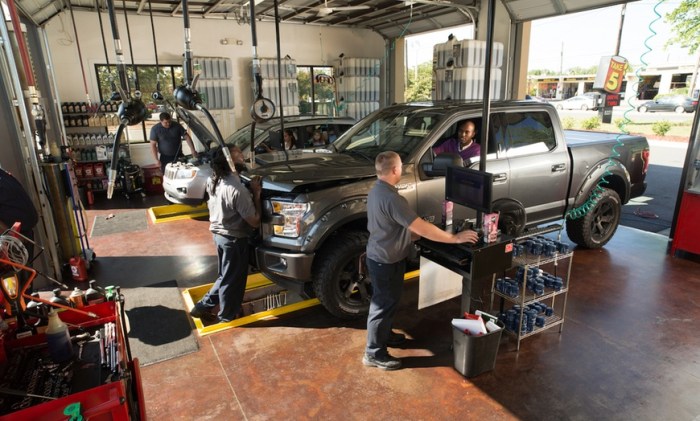
In the great automotive symphony, oil changes are the drummers that keep everything in beat. While they may not be the rock stars, they lay the foundation for a harmonious and prolonged vehicle life. Just like a good cup of coffee fuels your day, a regular oil change fuels your car’s performance, ensuring it doesn’t break down in the middle of a cross-country road trip or, worse yet, in front of your crush.Regular oil changes are not just a good idea; they are a crucial component of your vehicle’s overall maintenance plan.
They help to keep engine parts lubricated, reduce friction, and improve fuel efficiency. This proactive approach can prevent more significant problems down the line that may require costly repairs, reminding us that “an ounce of prevention is worth a pound of cure.”
Connection Between Oil Changes and Overall Automotive Repairs
Regular oil changes are a preventive measure that supports various automotive repairs by ensuring that the engine is running smoothly. When oil gets dirty or breaks down, it can lead to increased wear and tear on engine components. Here’s why oil changes are essential in preventing more extensive repairs:
- Engine Longevity: Clean oil helps maintain the engine at optimal temperatures and reduces the likelihood of overheating, which can result in severe engine damage.
- Fuel Efficiency: Fresh oil allows the engine to work more efficiently, improving fuel economy and saving you money at the pump. Think of it as your car’s version of a spa day.
- Identifying Problems Early: Frequent oil changes provide opportunities for mechanics to check other components, identifying potential issues like leaks or worn-out parts before they escalate into costly repairs.
- Warranty Compliance: Many vehicle warranties require regular maintenance, including oil changes, to keep the warranty valid. Skipping them may void your warranty faster than a raccoon in a dumpster.
Role of Oil Changes in the Maintenance of Hybrid and Energy-Efficient Vehicles
Hybrid and energy-efficient vehicles may be known for their eco-friendliness, but they still need oil changes to thrive. Even if you’re not guzzling gas like a thirsty camel, here’s how oil changes contribute to their maintenance:
- Engine Variability: Many hybrids still use traditional engines alongside electric motors. Regular oil changes ensure that both systems operate efficiently, keeping the hybrid running like a well-oiled machine—literally!
- Oil Type Matters: Hybrids often require specific oil types that can handle higher temperatures and maintain viscosity. Failing to use the right oil can lead to increased wear on engine components.
- Battery Health: Regular maintenance, including oil changes, supports the overall health of hybrid vehicles, which can lead to better battery performance and longevity. A happy battery means fewer roadside surprises!
- Emission Control: Properly maintained engines produce fewer emissions. Keeping your oil clean helps in maintaining a vehicle’s eco-friendly credentials, allowing you to drive guilt-free in your neighborhood.
Comparison of Oil Change Services Offered by Mobile Automotive Services Versus Traditional Garages
The world of oil changes is not a one-size-fits-all approach. Mobile automotive services and traditional garages offer distinct experiences, each with its unique flair. Here’s how they stack up against each other:
| Aspect | Mobile Automotive Services | Traditional Garages |
|---|---|---|
| Convenience | Oil changes come to you! Whether you’re at home, at work, or hiding from your responsibilities, a mobile service fits into your schedule. | You’ll need to drive to the garage, which might mean sacrificing your Saturday morning cartoons for a waiting room filled with car magazines from 2005. |
| Cost | Mobile services often have competitive pricing and occasionally offer deals that could make your wallet sing. | Traditional garages might have more overhead costs, which can be reflected in the price, but they often offer additional services and inspections. |
| Expertise | Mobile mechanics can be highly skilled, but it’s essential to check reviews—sometimes you might find a rogue mechanic who thinks “oil” is just a suggestion. | Reputable garages typically employ certified technicians, giving you peace of mind that your vehicle is in capable hands. |
| Speed | Mobile oil changes can often be completed in under an hour, just like your favorite sitcom! | In a traditional garage, you might have to wait, especially if you’re not the only one who had the bright idea to get an oil change on a Saturday. |
Automotive Industry Trends
The automotive industry is a constantly evolving landscape, and oil change services are no exception. Recent trends reflect not only changes in consumer behavior but also advancements in technology, ensuring that vehicles remain in peak condition. From the frequency of oil changes to the types of oils used, these trends reveal a fascinating glimpse into how we maintain our beloved rides.As the world shifts to greener alternatives, synthetic oils and extended oil change intervals are becoming the new norm.
Motorists are increasingly opting for synthetic blends which offer enhanced performance and longevity. Additionally, as classic cars experience a renaissance, their oil change needs differ vastly from modern vehicles, creating a unique niche in the service industry.
Trends in Oil Change Services
The frequency and type of oil changes have seen a shift, with consumers now more inclined to follow manufacturer recommendations or even extend intervals thanks to new oil technologies. This has resulted in a more informed customer base, which is always a good sign for business. Below are the noteworthy trends in oil change services:
- Synthetic Oil Popularity: The rise of synthetic oils has taken the market by storm. These oils are superior in performance and longevity, allowing oil change intervals to stretch beyond the traditional 3,000 miles.
- Eco-Friendly Options: With the planet in mind, many consumers are now demanding biodegradable and environmentally friendly oil options, leading to a surge in eco-conscious service providers.
- Mobile Oil Change Services: The convenience of having a mechanic come to your driveway is on the rise. Busy lifestyles have made mobile oil change services a hit, blending efficiency with comfort.
- Subscription Services: Just like your favorite streaming service, subscription-based oil change services are gaining traction. They offer regular maintenance at a fixed monthly rate, making budgeting easier.
Impact of Oil Change Services on Classic Cars
Classic cars, the timeless beauties of the automotive world, have unique maintenance needs. Oil change services play a crucial role in preserving not just their performance but also their value. Classic car owners are increasingly aware that using the correct type of oil can dramatically impact engine longevity.
“Using modern oils can be a double-edged sword for classic vehicles; what works for a 2023 sedan might not be ideal for a 1967 Mustang.”
The right choice of oil can prevent sludge buildup and ensure optimal protection for aging engines. Moreover, the frequency of oil changes tends to differ based on the driving conditions and the car’s age, highlighting the need for customized maintenance schedules.
Customer Preferences for Different Vehicle Types
Understanding customer preferences across various vehicle types can help service providers tailor their offerings more effectively. Here’s a comparative analysis of preferences for oil change services based on vehicle types:
| Vehicle Type | Preferred Oil Type | Average Change Frequency (miles) |
|---|---|---|
| Cars | Synthetic Blend | 5,000 – 7,500 |
| Trucks | Full Synthetic | 7,500 – 10,000 |
| Motorcycles | High-Performance Oil | 3,000 – 5,000 |
| Classic Cars | Mineral Oil | 3,000 – 5,000 |
The variability in preferences highlights the diverse needs of vehicle owners, making it imperative for service providers to stay ahead of the curve.
Last Point
In conclusion, oil change services are not just a chore; they’re a ticket to an enjoyable driving experience. By embracing regular oil changes, you ensure that your vehicle runs smoothly, stays healthy, and performs like a champion. So, whether you’re a DIY enthusiast or prefer the expertise of a professional, remember: treating your car to an oil change is like giving it a little love every few thousand miles.
Keep your engine shining like a diamond in the rough!
Answers to Common Questions
How often should I get an oil change?
Most experts recommend every 3,000 to 5,000 miles, but check your owner’s manual for specifics!
What type of oil should I use?
It depends on your vehicle! Refer to the owner’s manual for the recommended viscosity and oil type.
Can I change my own oil?
Absolutely! With some basic tools and a little know-how, you can be your own pit crew.
What happens if I don’t change my oil?
Skipping oil changes can lead to engine sludge, overheating, and ultimately, a hefty repair bill.
Can I switch between synthetic and conventional oil?
Yes, but check your vehicle’s specifications to ensure compatibility for optimal performance.


