
Energy-efficient driving tips are like the secret sauce of the automotive world, where every smooth acceleration and gentle brake is a dance towards saving the planet while keeping your wallet happy. Picture this: a magical realm where fuel-efficiency not only boosts your mileage but also makes you feel like a superhero, cape flapping in the wind as you glide down the highway.
From mastering the art of smooth driving to keeping your trusty steed (a.k.a. your car) in tip-top shape, this guide will take you on a ride filled with laughter, learning, and a sprinkle of eco-friendly wisdom. Buckle up and get ready to discover how to drive in a way that makes Mother Nature smile while you enjoy the journey!
Energy-efficient Driving Techniques
When it comes to saving fuel and money while driving, adopting energy-efficient techniques is like discovering a hidden treasure in your wallet — a delightful surprise! With a few simple adjustments to how you drive, you can maximize fuel efficiency, reduce your carbon footprint, and maybe even impress a few friends with your eco-savvy knowledge. Let’s dive into the world of energy-efficient driving where smooth is the new cool!
Smooth Acceleration and Braking
Driving is like a dance, and the music is all about smooth transitions. Rapid acceleration and sudden stops are not just jarring for passengers; they can also guzzle gas faster than a kid at an all-you-can-eat candy buffet. By mastering the art of smooth acceleration and braking, you can keep your fuel consumption in check and your driving experience enjoyable.
Here’s how to get into that groove:
- Gently press the accelerator instead of flooring it. Think of your car as a lazy cat waking up from a nap — it doesn’t need to rush!
- Anticipate traffic lights and stop signs. Slow down gradually when approaching them to avoid unnecessary braking, much like when you see a delicious pastry and want to savor the moment.
- Use cruise control on highways. It’s like having a personal chauffeur who knows how to keep the speed steady and the fuel efficiency high!
“Smooth driving can enhance fuel economy by up to 25% compared to aggressive driving.”
Optimal Speed for Fuel Efficiency
Speed demons may live for the thrill of the chase, but when it comes to fuel efficiency, cruising at the right speed is key to keeping your wallet happy and your car humming smoothly. Research shows that most vehicles achieve their best fuel efficiency at speeds between 45 and 65 mph. Here’s why sticking to this sweet spot is a fuel-saving strategy:
- Higher speeds lead to increased aerodynamic drag, which can significantly decrease fuel economy. Imagine trying to run against a wind tunnel — not fun, right?
- Driving over 65 mph can reduce your fuel efficiency by up to 15%, making you feel like you’re burning money instead of gas!
- Maintain a consistent speed by scanning the road ahead. If you see a slow poke up ahead, ease off the gas pedal instead of racing up to them like a star athlete on an espresso binge.
“Every 5 mph you drive over 50 mph is like paying an additional $0.25 per gallon for gas.”
Vehicle Maintenance for Efficiency
Regular vehicle maintenance is like giving your car a spa day; it enhances its performance and keeps it purring like a well-fed kitten. Just like we need regular check-ups to ensure we’re functioning at our best, our vehicles thrive on a schedule of attentive care. Keeping your vehicle in tip-top shape not only prolongs its life but also ensures that it’s running as efficiently as possible, ultimately saving you money at the pump.
Tire Pressure and Fuel Consumption
Did you know that under-inflated tires are the sneaky little gremlins of fuel efficiency? They can increase your fuel consumption by up to 3%. That’s right, your tires could be throwing a party and you’re not invited! Maintaining proper tire pressure is crucial for optimal fuel economy and safety. Here’s how you can keep those tires in check:Check your tire pressure at least once a month, and always before long trips.
The recommended tire pressure is usually found on a sticker inside the driver’s door or in the owner’s manual. Use a reliable tire pressure gauge, and make sure to check when the tires are cold for the most accurate reading. If the pressure is low, add air until it meets the recommended level.
- Check tire pressure monthly.
- Use a reliable pressure gauge.
- Check when tires are cold for accuracy.
- Inflate to the recommended level found on the door sticker or manual.
Keeping your tires at the right pressure can be the difference between you feeling like a tortoise or a hare at the gas station.
Checklist for Routine Automotive Repairs
To enhance your vehicle’s efficiency and ensure it runs like a dream, establish a routine maintenance checklist. A proactive approach can help you avoid costly repairs down the road and keep your car happy. Now, let’s dive into some essential routine checks and repairs that will keep your car performing at its peak.Here’s a handy checklist designed to make your life easier and your vehicle more efficient:
- Oil Change: Every 5,000-7,500 miles, or as recommended by your vehicle’s manual.
- Air Filter Replacement: Check every 12,000 miles; a clean air filter improves fuel efficiency.
- Brake Inspection: Regularly inspect and replace brake pads to prevent dragging, which can sap power.
- Battery Check: Inspect battery terminals and ensure it’s functioning properly, especially before winter.
- Fluid Levels: Regularly check engine coolant, brake fluid, and transmission fluid to avoid overheating and other issues.
By maintaining this checklist, you’ll be on the fast track to an efficient vehicle and a happier wallet. Remember, an ounce of prevention is worth a pound of cure; or in this case, a gallon of gas!
“A well-maintained car is not just a luxury; it’s a ticket to energy efficiency!”
Impact of Vehicle Type on Efficiency
When it comes to energy efficiency on the road, not all vehicles are created equal. Picture this: one car quietly sips fuel while another guzzles it like a thirsty cactus in a desert. Let’s dive into the world of vehicle types, comparing hybrid heroes with traditional combustion engines, and exploring how even our lumbering trucks can achieve a leaner, greener footprint.
Spoiler alert: classic cars may turn heads, but they often leave a trail of emissions in their wake!
Energy Efficiency of Hybrid Vehicles versus Traditional Combustion Engines
Hybrid vehicles are the eco-friendly superheroes of the automotive world, often outshining their traditional combustion engine counterparts. They combine the best of both worlds: a gasoline engine and an electric motor. This dynamic duo allows hybrids to achieve remarkable fuel efficiency and reduce greenhouse gas emissions. For instance, the Toyota Prius, a poster child for hybrid technology, boasts an impressive EPA rating of around 56 mpg.
In contrast, traditional combustion engines, depending on their size and design, typically range from 20 to 30 mpg.
Hybrid vehicles can save drivers hundreds of dollars in fuel costs each year, while also giving Mother Nature a much-needed hug.
Of course, while hybrids are more efficient, their overall environmental impact also depends on factors like battery production and disposal. But fear not! The realm of hybrids continues to evolve with innovations aimed at reducing these impacts, making them an increasingly wise choice.
Automotive Trucks Modified for Better Fuel Economy
Trucks are often seen as gas-guzzling beasts, but modifying them for better fuel economy is not just a pipe dream—it’s a reality! With a few tweaks and a sprinkle of ingenuity, your truck can become the energy-efficient machine you never knew it could be. Key modifications include:
- Engine Tuning: Adjusting the engine’s computer settings can optimize fuel delivery and enhance efficiency.
- Aerodynamic Enhancements: Adding features like a tonneau cover or side skirts can reduce drag, allowing your truck to glide through the air like an eagle instead of trundling like a rock.
- Low Rolling Resistance Tires: Swapping out those chunky tires for ones that roll more easily can improve fuel economy significantly.
- Weight Reduction: Removing unnecessary cargo (like that old toolbox you haven’t touched since 2015) can lighten the load, leading to improved efficiency.
These modifications can lead to substantial savings at the pump, proving that even heavy-duty vehicles can do their part in reducing our carbon footprint.
Classic Cars Versus Modern Vehicles in Energy Consumption
Classic cars, with their vintage charm and unmistakable style, often come with a hefty appetite for fuel. While they may make you feel like a rockstar cruising down the boulevard, they typically lag behind modern vehicles in terms of energy efficiency. A classic muscle car from the ’70s might boast a powerful V8 engine, but it could also consume upwards of 15 mpg, leaving a cloud of exhaust in its wake.
On the flip side, modern vehicles are engineered with efficiency in mind, using advanced technologies and lighter materials to minimize energy consumption. For example, many new sedans can reach around 35-40 mpg, proving that being eco-conscious doesn’t mean sacrificing style or performance.
Classic cars are like fine wines: they get better with age but can be a little hard on the wallet when it comes to gas.
In the race for energy efficiency, it’s clear that modern vehicles take the crown. However, enthusiasts can still enjoy their classic rides by using them sparingly and cherishing them as works of art rather than daily drivers.
Last Point
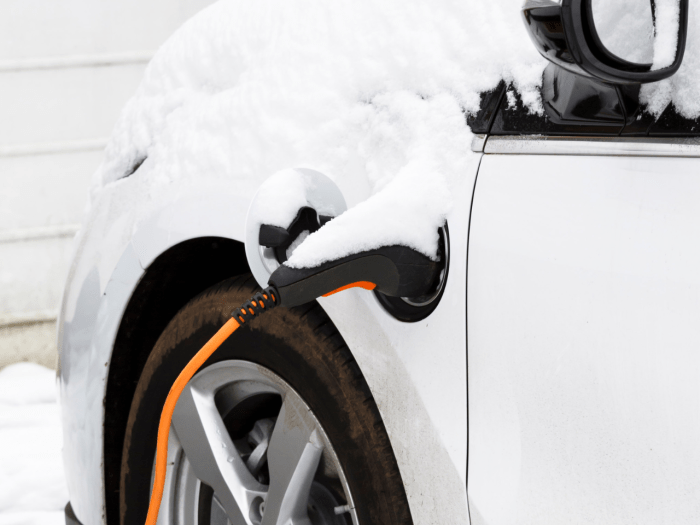
As we coast toward the finish line, remember that energy-efficient driving isn’t just about saving a few bucks on gas—it’s about embracing a lifestyle that’s kind to the earth and your bank account. So next time you hit the road, channel your inner eco-warrior with these tips, and turn your car into a fuel-sipping machine. Here’s to fewer trips to the gas station and more adventures on the open road!
FAQ Corner
What is the best speed for fuel efficiency?
The sweet spot for fuel efficiency typically lies between 45-65 mph, depending on your vehicle, but it’s always a good idea to check your manual for specifics.
How often should I check my tire pressure?
Checking your tire pressure at least once a month is ideal, and don’t forget to do it when the tires are cold for accurate results!
Can driving style really affect fuel consumption?
Absolutely! Smooth acceleration and braking can enhance your fuel economy and reduce wear on your vehicle, turning you into a fuel-saving ninja!
Are hybrid vehicles always more fuel-efficient?
Not always! While hybrids generally offer better fuel efficiency, factors like driving habits and vehicle maintenance can impact performance significantly.
Does the weight of my vehicle impact fuel efficiency?
You bet! The heavier the vehicle, the more energy it needs to move, so think twice before loading up for that weekend road trip!


