Welcome to the world of Best fuel-efficient cars, where saving the planet and your paycheck go hand in hand! If you’ve ever felt that sinking feeling every time you fill up your gas tank, you’re not alone. In this eco-friendly ride through the latest fuel-efficient models, we’ll explore how these marvels of engineering are not just good for the Earth but also for your bank account.
So buckle up as we cruise through the importance of fuel efficiency and the delicious savings that come with it!
Fuel efficiency isn’t just a buzzword—it’s a necessity in this day and age! With the planet groaning under the weight of pollution and climate change, fuel-efficient cars are stepping up to the plate like eco-warriors in shiny armor. You’ll soon discover how these rides have become the darlings of the automotive world, sporting impressive statistics that would make even the most skeptical car lover raise an eyebrow.
Fuel Efficiency Overview
In a world where fuel prices can make your wallet feel lighter than a helium balloon, fuel efficiency has become the superhero we didn’t know we needed. Not only does it save us some serious cash at the pump, but it also plays a critical role in reducing our carbon footprint, keeping Mother Earth a little greener. Think of fuel-efficient cars as the eco-friendly sidekicks to our daily commutes, helping us tackle environmental challenges while still getting us where we need to go.
Fuel efficiency isn’t just a buzzword thrown around in auto magazines; it’s a crucial aspect of modern vehicle design. With the automotive industry constantly evolving, the demand for eco-friendly solutions has surged. As fuel-efficient cars become more advanced, they help to reduce harmful emissions, contributing to cleaner air and a healthier planet. In fact, according to the U.S. Environmental Protection Agency (EPA), the average fuel economy of new vehicles sold in the U.S.
has improved significantly over the past few decades. It has jumped from roughly 13 miles per gallon in the 1970s to more than 25 miles per gallon today, making those gas-guzzlers of yesteryear seem like a bad dream.
Environmental Impact of Fuel-Efficient Cars
The environmental implications of adopting fuel-efficient vehicles are profound and far-reaching. By reducing fuel consumption, these cars contribute to a significant drop in greenhouse gas emissions. Let’s break down the delightful details of how these eco-warriors are making waves in the battle against climate change:
-
Fuel-efficient vehicles emit less CO2 per mile than their less-efficient counterparts, helping to mitigate climate change.
- According to the International Energy Agency (IEA), the global fuel economy of new cars improved by 2.7% in 2020, leading to roughly 400 million tonnes of CO2 emissions saved.
- Transitioning to fuel-efficient cars can lead to cleaner air, resulting in improved public health and lower healthcare costs associated with pollution-related illnesses.
- In cities, reduced fuel consumption helps alleviate traffic congestion, leading to fewer idling vehicles and lower emissions overall.
In essence, the shift towards fuel-efficient automobiles not only saves money but also helps to foster a sustainable environment. The more we embrace these vehicles, the smoother our journey towards a greener future will be—like gliding along a freshly paved highway without a care in the world!
Best Fuel-Efficient Cars of 2023
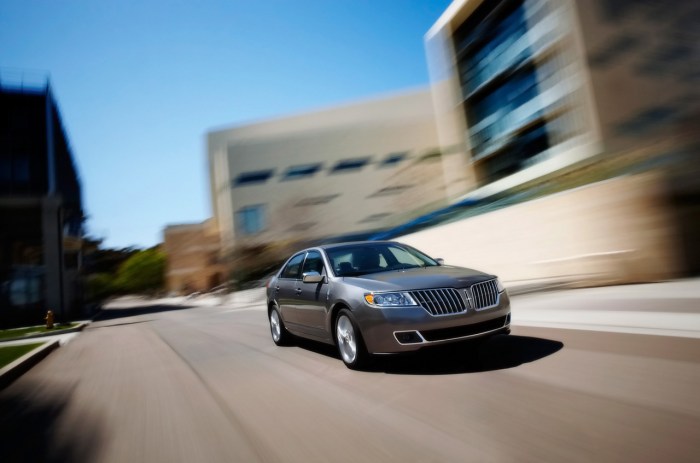
In the race for fuel efficiency, 2023 has brought forth an impressive lineup of vehicles that not only save money at the pump but also do a little dance for Mother Earth. Whether you’re a devoted eco-warrior or simply trying to stretch your dollars, these cars are here to give your wallet a break while keeping those emissions in check.
Buckle up for the best fuel-efficient rides of the year that would make even a squirrel on a budget proud.
Top Fuel-Efficient Cars of 2023
When evaluating the best fuel-efficient cars, several models stand tall like the green giants of the automotive world. Each of these vehicles offers unique features that enhance fuel efficiency, making them worthy contenders in the eco-friendly arena. Here’s a sprinkle of the top picks for 2023:
- Toyota Prius: The poster child of hybrid technology, the Prius showcases a hybrid synergy drive that maximizes fuel efficiency, yielding an impressive 56 mpg combined. Its aerodynamic design looks like it was sculpted by the wind itself.
- Honda Insight: A stylish hybrid that seamlessly blends form and function, the Insight boasts an elegant design paired with an astounding 52 mpg combined. Its Eco Assist feature is like having a little green coach cheering you on.
- Hyundai Ioniq Hybrid: With a hybrid system that feels like it’s straight out of a sci-fi movie, the Ioniq Hybrid offers 58 mpg combined. Its lightweight design is akin to driving a feather with wheels!
- Kia Niro: This compact crossover hybrid shines with a remarkable 50 mpg combined. The Niro doesn’t just save fuel; it also saves you from the daily grind of boring commutes.
- Ford Maverick: A game-changer in the compact truck segment, the Maverick combines truck utility with hybrid efficiency, achieving an impressive 40 mpg in the city. It’s the perfect blend of brawn and brains!
Each of these cars embodies the essence of fuel efficiency through various innovative features, such as regenerative braking, lightweight materials, and advanced aerodynamics. These elements not only contribute to their phenomenal fuel ratings but also provide a smoother, more enjoyable ride.
Fuel Efficiency Ratings: Hybrid vs. Traditional Gasoline Vehicles
The fuel efficiency showdown between hybrid and traditional gasoline vehicles is as thrilling as a race between a cheetah and a tortoise. Spoiler alert: The cheetah usually wins, and in this case, hybrids reign supreme.
“On average, hybrids can achieve fuel efficiency ratings of 50-60 mpg, while traditional gasoline vehicles typically hover around 25-30 mpg.”
This significant difference can be attributed to the use of dual power sources in hybrids, allowing them to optimize fuel consumption more effectively. For example, while cruising at low speeds, hybrid vehicles often rely on electric power, while gasoline engines kick in at higher speeds. Traditional vehicles, on the other hand, are like that friend who insists on using all their energy at once—great for a sprint, but not sustainable over time.In 2023, the trend continues to favor hybrids, reflecting a broader shift towards more sustainable driving options.
With advancements in technology, hybrids are becoming more accessible, offering not only superior fuel economy but also a fun driving experience that doesn’t skimp on power.Enjoy the ride and remember: every mile you save is a step towards a greener planet!
Buying Considerations for Fuel-Efficient Cars
When it comes to purchasing a fuel-efficient car, there’s more than just a good gas mileage number and a shiny exterior to consider. Buckle up and prepare for some essential factors that can make your wallet happier and the planet a little greener. Investing in a fuel-efficient vehicle is not just a trendy decision; it’s a journey filled with savings, eco-friendliness, and the joy of not having to stop at the gas station every five minutes!One of the biggest advantages of owning a fuel-efficient car is the long-term savings associated with it.
While you might spend a tad more upfront, the money you save on fuel can really add up over time. Add in potential tax incentives, lower maintenance costs, and the sweet feeling of contributing to a healthier planet, and suddenly that initial price tag looks like a bargain!
Key Factors for Purchasing a Fuel-Efficient Vehicle
There are several crucial elements to mull over when you’re on the hunt for your next eco-friendly ride. These factors will help ensure that your investment is not only smart but aligns with your needs and lifestyle. Here are some important considerations:
- Fuel Type: Consider whether you want a hybrid, plug-in hybrid, or fully electric vehicle. Each has its own charm and fuel efficiency stats, much like a buffet of eco-friendly options!
- Vehicle Size: Smaller cars generally offer better fuel economy. So, if you’re not planning on carting around a soccer team, a compact car could be your best friend.
- Driving Habits: Assess your daily commute. If you’re primarily driving in the city, a hybrid may serve you better, while those on long highway drives might find a diesel car more beneficial.
- Resale Value: Research cars with good resale value, as a fuel-efficient car can retain its worth longer than its less-efficient cousins.
- Safety Ratings: Look for vehicles that come equipped with advanced safety features. A few airbags might not save you gas, but they’ll certainly save you from trouble!
Long-Term Savings with Fuel-Efficient Cars
Owning a fuel-efficient car isn’t just about enjoying the ride; it’s about cashing in on those sweet savings over time. Here’s a breakdown of how your chin-up, eco-friendly choice can lead to financial freedom:
- Fuel Costs: Depending on your vehicle and driving habits, you could save hundreds, or even thousands, on gas each year. Imagine all the avocado toast you could buy instead!
- Tax Incentives: Many regions offer tax credits for purchasing fuel-efficient vehicles, meaning Uncle Sam might just chip in for your green ride!
- Insurance Rates: Fuel-efficient cars often come with lower insurance premiums due to their safety ratings and lower repair costs. Less risk equals less cost – cha-ching!
- Maintenance: Electric and hybrid vehicles typically require less maintenance than traditional cars. Fewer oil changes and brake replacements can lead to a more generous savings account.
Negotiating Prices and Financing Options
When it comes to negotiating the price of your eco-friendly chariot, preparation is key. Here’s how you can navigate those dealership waters like a pro:
- Do Your Homework: Research the vehicle’s market value and current promotions before stepping foot on the lot. Knowledge is power, and in this case, it’s also dollars saved!
- Be Prepared to Walk Away: Don’t let dealership charm sway you into a deal that doesn’t feel right. Sometimes the best negotiation tool is the power of your feet!
- Consider Financing Options: Look into loans specifically designed for eco-friendly vehicles. These often come with better rates, making your purchase even sweeter.
- Trade-Ins and Discounts: Don’t forget to mention your trade-in! It could give you a significant boost in your bargain. And always ask if there are any specials for eco-friendly vehicles.
“Fuel-efficient cars are not just a choice; they’re a lifestyle that can save you money while saving the planet!”
End of Discussion
So, there you have it! The Best fuel-efficient cars of 2023 are ready to take you on a journey that’s as good for your wallet as it is for the environment. With smart buying choices and a little bit of negotiation wizardry, you can join the ranks of savvy drivers who zoom past gas stations with a triumphant grin. Remember, every gallon saved is a step toward a greener tomorrow—now that’s a ride worth taking!
Detailed FAQs
What are the most fuel-efficient cars available?
The most fuel-efficient cars vary each year, but brands like Toyota, Honda, and Tesla often top the charts with their hybrids and electric models.
How does fuel efficiency impact the environment?
Higher fuel efficiency means less fuel consumption, leading to lower greenhouse gas emissions and a smaller carbon footprint—great news for Mother Earth!
Are hybrid cars worth the investment?
Absolutely! While hybrids may have a higher upfront cost, their fuel savings and potential tax incentives often make them a financially savvy choice in the long run.
What factors should I consider when buying a fuel-efficient car?
Consider the car’s fuel economy rating, maintenance costs, available incentives, and how it fits your lifestyle—don’t forget to test drive!
Can I negotiate the price of a fuel-efficient vehicle?
Yes, you can! Just do your research, know the market value, and be ready to negotiate like a pro—dealerships love a good haggler!