
Used car buying tips, like a treasure map for vehicular gold, lead you to the best deals without losing your sanity or your wallet. Picture yourself cruising down the road in a sweet ride that didn’t break the bank – it’s not just a dream, folks!
In this guide, we’ll unveil the secrets to mastering the used car market, from deciphering vehicle history reports to the art of negotiation that would make even a seasoned haggler green with envy. Buckle up; it’s going to be a wild ride!
Essential Tips for Buying Used Cars
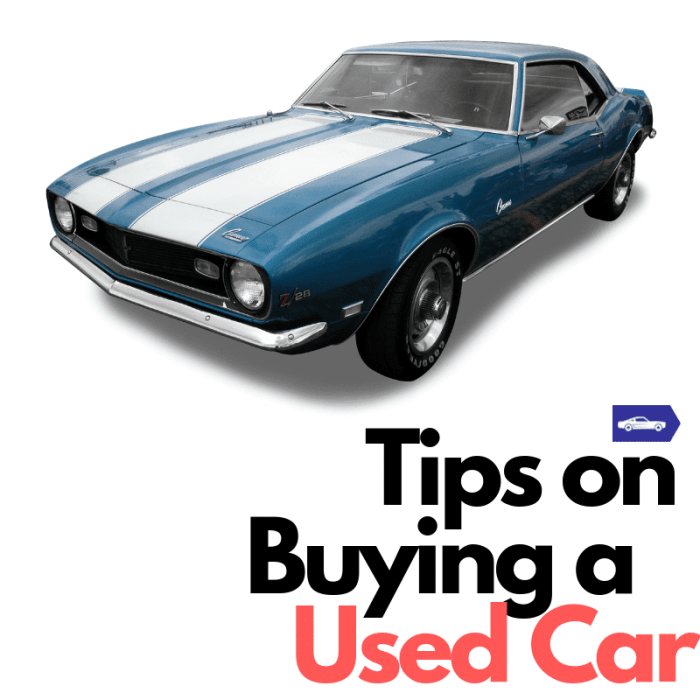
When it comes to purchasing a used car, knowledge is your trusty sidekick, guiding you through the potential pitfalls of the automotive jungle. Think of it as your superhero cape that can help you soar above overpriced lemons and shady sales tactics. Here are some essential tips that will have you driving away with not just any car, but the right one!
Researching Vehicle History Reports
Before you even set foot on a used car lot, digging into the vehicle history report is crucial. This magical document can reveal the car’s past like a gossiping neighbor spilling the tea. It’s important to know if the car has been in any accidents, salvaged, or had multiple owners. A vehicle history report typically includes:
- Accident History: This tells you if the car has survived a catastrophic event or if it was just a minor fender bender.
- Title Status: Ensure the title is clean—no liens or “salvage” titles, which sound more like a horror movie plot than a good investment.
- Odometer Readings: This helps confirm that the mileage is genuine. A roll-back on the odometer is a classic villain move.
- Service Records: Regular maintenance is a good sign that the previous owner cared for the car, kind of like a puppy that gets regular baths.
“A little research goes a long way—like finding out your date’s favorite pizza topping before the first dinner!”
Assessing the Condition of a Used Car During a Test Drive
Taking a used car for a test drive is like a first date; you want to check for compatibility. This is your chance to kick the tires, rev the engine, and see if there’s any weird noise coming from the backseat that sounds suspiciously like a disgruntled ghost.During the test drive, pay attention to:
- Braking: Test how the car reacts when you slam on the brakes. Does it stop smoothly or does it feel like you’re on a rollercoaster?
- Steering: Is it responsive, or does it feel like you’re trying to steer a ship in a storm?
- Acceleration: See how quickly it picks up speed. You want something that zooms, not something that crawls like a snail on a lazy Sunday.
- Interior Comfort: Check the seats, controls, and how the air conditioning feels—because if it’s sweltering outside, you want to feel like you’re cruising in a cool breeze, not a toaster.
“A test drive is like a dry run for your future adventures. Make sure it’s a smooth ride!”
Negotiating the Price
Negotiating the price of a used car can feel like a high-stakes poker game, complete with bluffing and strategic maneuvers. It’s not just about tossing numbers back and forth; it’s about knowing your worth—and the car’s worth, too.Consider these factors when negotiating:
- Market Value: Research similar makes and models in your area. Websites like Kelley Blue Book and Edmunds can shed light on the going rates. You want to know if you’re getting a deal or if the seller is trying to pull a fast one!
- Condition Assessment: Use any small imperfections or repairs needed as leverage to negotiate the price down. Every scratch or ding can be your secret weapon.
- Willingness to Walk Away: If the price isn’t right, be prepared to strut away like a model on a runway. Sometimes, that’s the best tactic to snag a better deal.
- Extras: Don’t forget about negotiating additional perks. A full tank of gas or a set of new floor mats can sweeten the deal!
“Negotiation is an art—be the Picasso of car buying, not just another stick figure!”
Automotive Considerations in the Used Car Market
In the bustling bazaar of used cars, making an informed choice is akin to finding the last slice of pizza at a party—critical and highly desirable. As you navigate through the myriad of options, it’s essential to weigh the automotive considerations that can save you money, boost your riding experience, and maybe even give you a smug sense of superiority over your neighbors who just bought the latest gas-guzzler.
Benefits of Hybrid and Energy-Efficient Vehicles
Opting for a hybrid or energy-efficient vehicle is like discovering a secret menu at your favorite diner: it opens up a whole new world of savings and eco-friendliness. These vehicles are designed to sip fuel like a fine wine, providing impressive gas mileage and reducing your carbon footprint. While some might view driving a hybrid as a fashion faux pas, the savings on fuel can make you feel like a million bucks—and your wallet will appreciate it too.
Consider the following advantages:
- Fuel Efficiency: Many hybrids can achieve over 50 miles per gallon—think of the gas station as your ex; you won’t miss it.
- Lower Emissions: Drive guilt-free knowing you’re helping the planet, one mile at a time.
- Tax Incentives: You might qualify for tax credits that could put some green back in your pocket—thanks, Uncle Sam!
“Hybrid vehicles: where saving the planet meets saving your bank account.”
Considerations for Purchasing Used Motorcycles and ATVs
When entering the wild world of used motorcycles and ATVs, it’s essential to wear your “wise buyer” helmet. These exhilarating rides can be both a fantastic investment and a pitfall if you’re not well-informed. Key considerations include understanding the maintenance history and ensuring that the previous owner didn’t treat it like a trophy instead of a vehicle. Here are important factors to consider:
- Condition: Examine the bike or ATV for any signs of wear and tear, especially the tires, brakes, and engine. A detailed inspection could save you from future repairs that feel like a money pit.
- Documentation: Ensure the sale includes the title and maintenance records. It’s like having a treasure map; you want to know where you’re going!
- Test Ride: Always take it for a spin. If it feels like you’re riding a wild stallion, it might need some adjustments.
“A good motorcycle is like a good friend; it should take you places and not leave you stranded.”
Impact of Vehicle Customization on Resale Value
Customizing a vehicle can make you feel like a king on a shiny new throne, but beware, dear reader: not all that glitters will hold its value. While adding cool features can make your car stand out like a peacock at a pigeon party, it may not necessarily translate to a higher resale value. In fact, some modifications can actually diminish it.Here’s a rundown of how customization affects resale:
- Personal Taste: Your unique style might not resonate with future buyers. A hot pink paint job could be dazzling to you but leave others scratching their heads.
- Quality of Modifications: Professional upgrades tend to hold value better than DIY jobs. If your cousin Larry did the modifications in his garage, you might want to reconsider.
- Market Trends: Certain mods can be trendy today but may become outdated tomorrow. Remember, trends are like hairstyles—they change fast!
“Customization: Do it for yourself, but don’t expect it to pay off later.”
Best Practices for Used Car Transactions
When it comes to buying a used car, navigating the terrain can feel like a high-stakes game of chess—strategic, a little bit nerve-wracking, and with a chance of emotional checkmate at any moment. But fear not, for armed with the right tips and tricks, you’ll breeze through the process like a pro! Here, we delve into the best practices that will save you time, money, and possibly some headaches along the way.
Checklist for Documents Needed When Buying a Used Car
A successful used car transaction starts with the right paperwork. Knowing what documents you need can mean the difference between driving off into the sunset or being left at the side of the road, holding a pile of useless papers. Here’s an essential checklist that will ensure you’re fully prepared:
- Title Document: Verify that the seller holds the title and that it’s free of liens. A clear title is your golden ticket!
- Bill of Sale: This serves as proof of purchase. It should include the purchase price, VIN, and both parties’ names and signatures.
- Vehicle History Report: A report from providers like Carfax or AutoCheck can reveal accidents, previous ownership, and other crucial details.
- Odometer Disclosure: Required in many states, this document confirms the car’s mileage at the time of sale.
- Service Records: These can give you insight into the maintenance of the vehicle, which can help avoid future surprises.
- Emissions Test Results: Depending on your state, you may need proof that the vehicle meets emissions standards.
- Insurance Information: Get the details sorted in advance; some states require proof of insurance before registration.
Guide for Evaluating Automotive Repairs and Their Costs
Understanding the costs associated with automotive repairs can feel like trying to read hieroglyphics—confusing and a bit daunting. However, with a clear guide, you can evaluate necessary repairs like a seasoned mechanic. Below are steps to assess repairs and their estimated costs effectively:
- Identify the Repair: Understand what needs to be fixed. Is it the brakes, transmission, or something more mysterious, like the Check Engine Light? Knowing the problem helps in getting accurate estimates.
- Research Average Costs: Websites like RepairPal or YourMechanic can provide typical repair costs in your area. This sets a baseline for comparison.
- Ask for Multiple Estimates: Don’t settle for the first quote you receive. Getting estimates from different mechanics can help you find the best deal.
- Consider Parts vs. Labor: Sometimes, the cost of parts can be steep. Break down the estimates to compare part costs versus labor costs for transparency.
- Factor in Warranty: If the car is still under warranty, some repairs may be covered, saving you a pretty penny.
Advantages of Participating in Car Auctions for Used Vehicle Purchases
Car auctions can be thrilling environments filled with the promise of incredible deals—if you have the right strategy. While it may feel like you’re bidding for the last piece of pizza at a party, there are significant advantages to consider:
- Potential for Lower Prices: Auctions can offer prices below market value, especially if you’re willing to invest time in researching the cars beforehand.
- Access to a Variety of Vehicles: From classic cars to newer models, auctions often showcase a diverse range of vehicles to suit every taste and budget.
- Possibility of Unique Finds: You might just stumble upon a hidden gem that the average dealer wouldn’t have on their lot.
- Real-Time Bidding Experience: The thrill of bidding can be exhilarating! It gives buyers an opportunity to gauge interest and potentially negotiate a better price.
- Detailed Inspection Opportunities: Many auctions allow you to inspect vehicles up close, giving you a chance to check for any glaring issues before you bid.
Ultimate Conclusion
In summary, arming yourself with these used car buying tips transforms you from a hesitant shopper into a confident car connoisseur ready to snag the perfect set of wheels. Remember, every great journey begins with a single step—or in this case, a savvy deal!
Popular Questions
What should I check during a test drive?
Listen for strange noises, test the brakes, and evaluate how it feels – like dating, you want chemistry!
How important is a vehicle history report?
It’s crucial! It’s like reading the car’s diary – you want to know if it’s been in any wild relationships!
Can I negotiate the price at a dealership?
Are hybrids worth it in the used market?
Definitely! They can save you some serious gas money, plus they make you feel like a planet-saving superhero.
What’s the best way to prepare for a car auction?
Research, set your budget, and bring your A-game – it’s like a bidding war to the finish!


