
Welcome to the land of chrome and nostalgia, where horsepower roams free like a wild stallion and seatbelts are just a suggestion! Best classic cars aren’t just vehicles; they are rolling pieces of art, each with its own story, personality, and the ability to make you feel like a Hollywood star from a bygone era. Buckle up as we take you through the fascinating history, charming quirks, and the not-so-secret life of classic cars that make them a beloved staple of automotive culture.
From the roaring engines of the 1920s to the sleek lines of the 70s muscle cars, classic cars have evolved dramatically. They captivate enthusiasts with their unique features and timeless appeal. We’ll dive into what defines these iconic machines, how they’ve shaped modern vehicles, and whether or not your next investment should come with a side of leather seats and nostalgia.
Classic Cars Overview
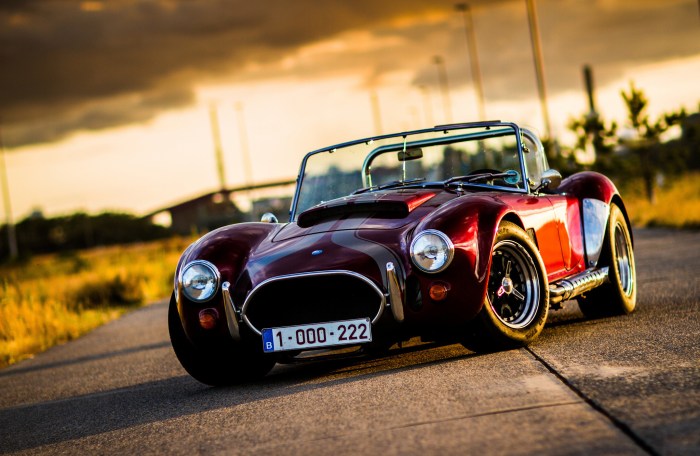
Classic cars are more than just vehicles; they are rolling pieces of history, embodying the spirit and innovations of their respective eras. From the elegantly curved fenders of the 1950s to the sleek lines of the 1980s, these automobiles tell stories of design evolution, cultural shifts, and technological advancements. Owning a classic car is akin to possessing a piece of art that has wheels—an investment in nostalgia, style, and a bit of automotive rebellion.The history of classic cars is as rich as a double chocolate cake with extra sprinkles.
It began in the early 20th century, when manufacturers like Ford and Chevrolet revolutionized the way we travel. The Model T, introduced in 1908, made car ownership accessible to the average American, while the luxurious Cadillac emerged as the symbol of wealth and prestige. Fast forward to the roaring 20s, when the Ford Model A strutted onto the scene, flaunting its style and affordability.
By the mid-20th century, the muscle car craze kicked off, with iconic models like the Ford Mustang and Chevrolet Camaro clashing on the streets, producing more horsepower than a herd of wild stallions.
Defining Features of Classic Cars
Classic cars are distinguished by several key features that make them significant in automotive culture. These characteristics contribute to their charm and collectibility, appealing to enthusiasts and collectors alike.
- Age: Generally, a classic car is considered to be at least 20 years old, but many enthusiasts set the bar at 25 or older. The older, the better—just like fine wine and vintage cheese.
- Design: Unique styling that reflects the automotive trends of its time. Classic cars often boast chrome bumpers, tail fins, and distinctive grilles that make them stand out in a sea of modern vehicles.
- Mechanical Simplicity: Many classic cars feature simpler mechanical systems, making them easier to maintain. With fewer computers and sensors, these vehicles often require good old-fashioned wrenching and elbow grease.
- Historical Significance: Some models hold a place in history, either for their technological innovations or for their cultural impact. For instance, the Volkswagen Beetle became a symbol of the counterculture movement, while the Porsche 911 has redefined sports cars for decades.
Evolution of Classic Cars
Over the decades, classic cars have undergone a fascinating evolution, mirroring changes in society, technology, and design preferences. The transition from the wooden wheels of the early 1900s to the all-steel bodies of the 1940s set the stage for the development of modern automotive design.In the 1950s, classic cars began to embrace bold colors and extravagant chrome, giving birth to the distinctive tailfin era.
This decade also marked the introduction of automatic transmissions, which, much like a good magician, made driving easier for the masses.The 1960s and 1970s brought muscle cars into the spotlight, with engines that roared louder than a lion at feeding time. Cars like the Dodge Charger and Chevrolet Corvette captured America’s love for speed and power, leading to a rivalry that still fuels the flames of car enthusiasts’ hearts today.As we slid into the 1980s, classic cars began to embrace fuel efficiency and compact designs, paving the way for the modern vehicles we see today.
The lessons learned from classic cars have been applied to contemporary designs, ensuring that while the aesthetics may have changed, the love for cars remains timeless.
“Classic cars are the poetry of the road, each curve and bump a stanza in the narrative of history.”
Buying and Selling Classic Cars
When it comes to classic cars, the thrill of the hunt can be as intoxicating as the sweet smell of gasoline on a Sunday morning. Whether you’re a prospective buyer looking to make an investment that shines brighter than your neighbor’s new SUV, or a seller hoping to part ways with your cherished ride, knowing the ins and outs of the classic car market is crucial.
Buckle up, because we’re about to take a detailed tour through the winding road of buying and selling classic cars.
Factors to Consider When Purchasing a Classic Car
Buying a classic car is more than just a spontaneous decision made during a mid-life crisis; it’s an art form that requires careful consideration. Here are key factors to guide your purchase:
- Condition: Inspect the car meticulously, both inside and out. Look for rust, wear, and tear. Remember, a little patina is charming, but a lot of rust is just sad.
- History: A car’s provenance can significantly affect its value. Documented history, like service records and previous ownership, adds credence to your purchase.
- Authenticity: Ensure that the car has its original parts. Aftermarket modifications might make it run faster, but they can also make it less desirable to collectors.
- Market Value: Research and compare prices for similar models. Websites like Hemmings and ClassicCars.com can provide a sense of the current market trends.
- Purpose: Determine whether you want a showpiece, a daily driver, or a project car. Each category has different considerations for purchase.
Preparing a Classic Car for Sale
Getting a classic car ready for sale isn’t just about putting up a “For Sale” sign and hoping for the best. It’s about presenting your beloved machine in the best light possible. Follow this guide to ensure your car shines brighter than a freshly polished hood.
- Clean and Detail: A thorough cleaning, inside and out, is essential. Consider hiring a professional detailer to make it look showroom-ready.
- Document Everything: Gather all paperwork, including maintenance records, titles, and receipts for any repairs or restorations.
- Price It Right: Use valuation tools and classic car market trends to set a competitive price. Don’t forget to factor in the emotional value but keep it grounded in reality.
- Take Quality Photos: Capture the car from multiple angles in good lighting. Make sure to highlight unique features, because nobody ever bought a classic based on a crummy photo.
- Be Honest: Disclose any flaws or troubles. Transparency builds trust and can prevent later disputes, which are more awkward than a car with a broken horn.
The Role of Auctions in the Classic Car Market
Auctions are the wild west of classic car sales, where dreams can be made or lost in a split second. Participating in an auction can be exhilarating, but a well-informed approach is essential for success.
- Research the Auction: Understand the auction house’s reputation and the type of cars they typically sell. Some specialize in vintage muscle cars, while others cater to luxury classics.
- Set a Budget: Auctions can be fast-paced and emotional. Have a firm budget in mind to avoid spending more than necessary, or worse, taking out a second mortgage.
- Inspect Before Bidding: Attend pre-auction viewings or ask for reports if you’re bidding online. A thorough inspection can save you from buyer’s remorse.
- Know Your Limits: It can be easy to get caught up in the excitement, but stick to your plan. Don’t let the auctioneer’s hammer fool you into overbidding.
- Be Prepared to Walk Away: If the bidding exceeds your budget or comfort level, don’t hesitate to step back. There will always be another classic car waiting for you.
Remember, whether you’re behind the wheel of a classic beauty or standing in an auction house, the world of classic cars is as thrilling as a Sunday drive down an open road!
Classic Car Customization and Maintenance
Classic cars are like fine wine; they need love, care, and a dash of customization to truly shine. Maintaining these vintage beauties isn’t just about keeping them running—it’s about preserving a piece of history while giving them a personal touch. Whether you’re looking to keep your classic in showroom condition or add a bit of flair, here’s how to do it right, with a sprinkle of humor and a lot of heart.
Essential Maintenance Tasks for Classic Cars
Keeping a classic car in pristine condition requires dedication, a bit of elbow grease, and an understanding of the unique needs that vintage vehicles have. Regular maintenance can prevent minor issues from snowballing into major headaches. Here’s a breakdown of crucial tasks:
- Oil Changes: Just like a good cup of coffee, fresh oil helps everything run smoothly. Change your oil regularly to keep your engine happy.
- Fluid Levels: Regularly check and top off fluids like coolant, brake fluid, and transmission fluid. Think of it as hydrating your classic’s thirst for life!
- Tire Care: Keep those tires inflated and aligned. Flat tires can lead to flat conversations about why your beautiful car isn’t moving.
- Brake Inspections: Ensure brakes are in top condition. After all, stopping is just as important as going, especially when you’re cruising past a crowd!
- Battery Checks: A weak battery can be a mood killer. Regularly test and clean battery terminals to ensure your car starts with enthusiasm.
Car Detailing Best Practices for Classic Vehicles
Car detailing for classic vehicles requires a gentle touch combined with the right products to avoid damaging delicate finishes and materials. Here are some essential tips to keep your classic looking as good as new:
- Hand Wash: Always hand wash your classic car with a pH-neutral soap. A touchless car wash? More like a “touch-nothing” car wash!
- Clay Bar Treatment: Use a clay bar to remove contaminants from the paint surface. It’s like giving your car a spa day without the cucumber slices on the eyes.
- Waxing: Apply a good quality carnauba wax to protect the paint and give it that glossy finish. It’s like sunscreen for your classic!
- Interior Cleaning: Use gentle cleaners on leather and vinyl surfaces. A little baby wipe action can work wonders without the drama of harsh chemicals.
- Chrome Polishing: Treat the chrome with a dedicated polish to avoid oxidation. After all, nothing says ‘classic’ like shiny chrome that could double as a mirror!
Popular Customization Options for Classic Cars
Customizing classic cars is as popular as a hotdog at a baseball game, and it can increase their value if done tastefully. Here are some popular options that enthusiasts often consider:
- Engine Modifications: Upgrading to a more powerful engine can significantly enhance performance. More horsepower means more fun—what’s not to love?
- Suspension Upgrades: Lowering or upgrading suspension systems improves handling. It’s like giving your car a stylish haircut for those sharp turns!
- Modern Tech Integrations: Adding modern features like Bluetooth or GPS can enhance drivability while keeping the classic vibe intact. It’s the best of both worlds—like peanut butter and jelly!
- Custom Paint Jobs: A unique paint job can turn heads and add personality. When your classic looks unique, it becomes the belle of the ball!
- Interior Redesign: Upgrading the interior with quality materials can boost comfort and aesthetics. Because who says you can’t enjoy a little luxury in a vintage ride?
Wrap-Up
In summary, classic cars are more than just metal and wheels; they’re a slice of our past with a modern attitude. Whether you’re a seasoned collector, a first-time buyer, or just someone who appreciates the beauty of these timeless rides, understanding their history, maintenance, and customization options can make your classic car experience all the more rewarding. So, go ahead, polish that chrome, and let the good times roll!
Frequently Asked Questions
What makes a car a classic?
A classic car is typically defined by its age, historical significance, and unique features, usually being at least 20-25 years old.
How do I know if a classic car is a good investment?
Research the model’s history, demand, and market trends, and consider its condition and rarity.
What should I look for when buying a classic car?
Inspect the car’s body, engine, and maintenance records, and ensure you verify its authenticity with an expert if possible.
Can classic cars be driven daily?
While it’s possible, many enthusiasts prefer to keep their classic cars for special occasions to avoid wear and tear.
How do I maintain a classic car?
Regular maintenance includes oil changes, checking fluid levels, and routine inspections to address any potential issues early.


