
Leather seat restoration is like a spa day for your car’s interior, giving those tired, worn-out seats a new lease on life! Imagine your plush leather seats basking in rejuvenation—cracks filled, colors revived, and smells that can only be described as heavenly. If your vehicle’s upholstery could talk, it would say, “Thank you for taking me to the leather doctor!”
Beyond just aesthetic appeal, restoring leather seats can significantly boost your vehicle’s resale value. Who wouldn’t want to buy a car that looks like it just rolled off the showroom floor? Communicating with your leather’s fibers through proper care can mean the difference between a head-turning ride and a ‘what happened here?’ moment. From fading to cracks, let’s explore how to turn those unfortunate mishaps into a leather love story.
Importance of Leather Seat Restoration
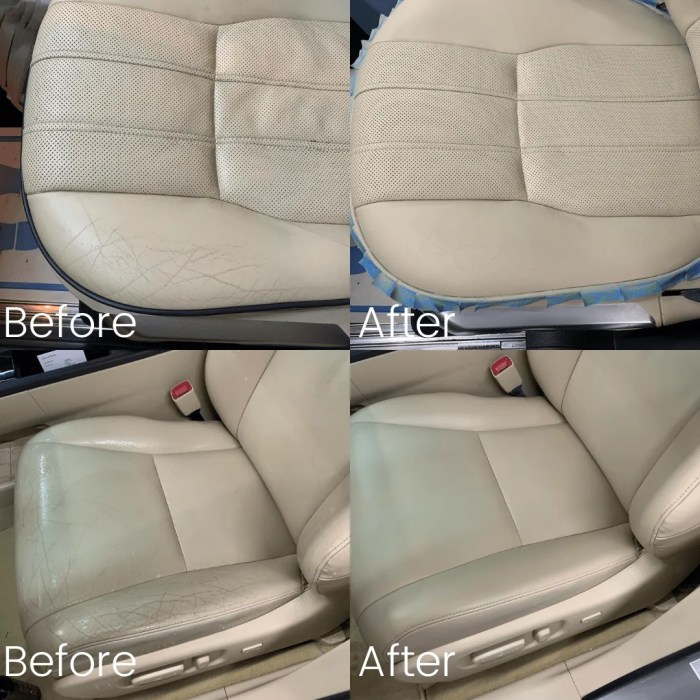
Leather seats are the epitome of automotive luxury, providing that ‘fancy steakhouse’ feel to your car, but like all things exquisite, they require a bit of TLC. Leather seat restoration is not just about aesthetics; it’s about breathing new life into your ride, preserving its charm, and ensuring it turns heads on the road. Whether you’re the proud owner of a classic car or you’ve got a daily driver that’s starting to show its age, restoration can work wonders, making your vehicle feel fresh and inviting once more.Restoring leather seats offers a plethora of benefits, from enhancing comfort to prolonging the life of the upholstery.
When you invest in restoration, you’re not merely patching things up; you’re elevating the value of your vehicle. A well-maintained interior speaks volumes, especially when it comes time to sell. Potential buyers are more likely to be impressed and willing to shell out extra cash for a car that looks like it just rolled out of the showroom.
Common Damages That Can Be Restored
Leather seats are tough but not invincible. They face the perils of daily use, including sun exposure and the occasional spill from that morning coffee run. Fortunately, many common damages can be expertly restored, reviving the beauty of your vehicle’s interior. Here are a few offenders you might encounter:
- Cracks: Much like a pair of old wrinkled hands, leather can develop cracks over time. Luckily, skilled restoration can fill and color these fissures, making them vanish like your last bite of chocolate cake.
- Fading: Sunlight can turn vibrant seats into dull and lifeless shades. Restoration can bring back that rich color, ensuring your seats are as lively as your weekend plans.
- Scuffs and Scratches: Whether it’s from your dog leaping in or your keys getting a little too friendly, scuffs can happen. A good restoration will buff these out, making your leather look brand new.
- Stains: We’ve all had an unfortunate encounter with a spilled drink. A professional clean and restore can tackle these stains, leaving your leather looking spotless and ready for the next road trip.
Restoration not only saves you from the embarrassment of a tattered interior but also strengthens the leather, making it less susceptible to future wear and tear. So, embrace the art of leather seat restoration, and let your vehicle shine like a celebrity on the red carpet!
Methods and Techniques for Leather Seat Restoration
Restoring leather seats is like giving your beloved car a spa day. It’s not just about aesthetics; it’s about preserving the plushness and durability that makes leather seating a luxury. With the right methods and a sprinkle of patience, you can transform those sad-looking seats into a throne fit for a king or queen—because let’s face it, even your car deserves to feel regal once in a while.Preparing leather seats for restoration is a crucial step in the process, akin to getting your ducks in a row before a big presentation.
Here’s how to roll out the red carpet for your leather seats before diving into the nitty-gritty of restoration.
Step-by-Step Process of Preparing Leather Seats for Restoration
Before you unleash your inner restoration wizard, it’s essential to make sure your leather is ready for its big makeover. Follow this step-by-step guide to prepare your leather seats:
1. Clean the Seats Thoroughly
Use a soft brush or a vacuum cleaner to remove dust and debris. Consider using a leather cleaner that’s pH-balanced to keep the leather happy. Remember, no one likes a dirty seat!
2. Assess the Damage
Check for cracks, tears, stains, or fading. This will help you strategize your restoration plan. Think of it as a leather health check-up—only without the awkward small talk.
3. Test a Hidden Area
Before going full throttle with any products, test them on a hidden area to ensure there’s no adverse reaction. It’s like a trial run for your leather; no pressure!
4. Condition the Leather
Apply a quality leather conditioner to hydrate the leather. This step is often overlooked, but it’s like giving your leather a drink after a long day; it’ll thank you later.
5. Let It Dry Completely
Allow the leather to dry thoroughly before applying any color restoration products. Patience is a virtue, especially when it comes to restoration!
Products Used in Leather Restoration
A successful restoration is not just about elbow grease; it’s about using the right products to achieve that showroom shine. Below are the essentials in your leather restoration toolkit:
Leather Cleaner
A gentle cleaner that removes dirt without stripping the leather’s natural oils. Look for products that are free of harsh chemicals.
Leather Conditioner
This product replenishes lost oils and helps maintain the leather’s suppleness. Think of it as moisturizer for your car seats!
Color Restorer
A dye or pigment product designed to bring back faded or discolored areas. It’s the equivalent of a hair dye, but for leather—just a lot less messy!
Leather Sealant
This helps protect the leather after restoration by adding a layer of defense against future wear and tear. Kind of like sunscreen, but for your car’s interior.
Soft Cloths and Brushes
Microfiber cloths are perfect for applying products without leaving lint behind, while soft brushes help in getting into those tricky seams and crevices.
Techniques for Restoring Color and Texture in Leather Seats
When it comes to revitalizing color and texture, there are several techniques that can breathe new life into your leather seats. Each method adds its unique flair, and the results can be nothing short of spectacular. Here are some of the most effective techniques:
Dye Application
Use a sponge or brush to apply leather dye evenly across the seat. Make sure to follow the manufacturer’s guidelines for best results.
Airbrush Technique
For those who consider themselves a bit of an artist, an airbrush can provide a fine mist of dye for an ultra-smooth finish. It’s like painting a masterpiece—just on a much more practical canvas!
Color Restoration Kits
These kits usually come with everything needed for restoring color, including spray bottles, applicators, and sealants. They’re like a one-stop-shop for your leather’s makeover.
Heat Treatment
For minor scratches, a little heat from a heat gun can help the leather “heal” by expanding the fibers. Just don’t roast it like a marshmallow; a little goes a long way!
Texture Replenishment
Use specialized products that mimic the grain of leather. This can help repair areas that have become smooth or shiny over time, restoring that authentic leather feel.
“Restoration is not just about fixing; it’s about reviving the essence of leather.”
Leather Seat Restoration in Different Automotive Categories
Restoring leather seats isn’t just a job; it’s an adventure that varies dramatically depending on the automotive category. Whether you’re polishing the seats of a classic car that has seen more road trips than your great uncle Fred, or tackling the tough leather of a rugged truck, each vehicle comes with its unique set of challenges and solutions. Buckle up as we embark on this leather restoration journey, filled with twists, turns, and the occasional laugh!
Classic Cars and Their Unique Challenges
Classic cars are like the grandpas of the automotive world; they’ve got stories to tell, but their leather seats often look more like they’ve been through a time warp. The main challenge in restoring leather seats in classic cars is dealing with the fragility and age of the material. Over the decades, leather can dry out, crack, and fade, resembling a well-worn baseball glove rather than a luxurious seat.To tackle these issues, restoration experts often employ specific techniques:
- Deep Cleaning: Using pH-balanced cleaners that gently lift dirt without damaging the leather, keeping the vintage charm intact.
- Conditioning: Applying high-quality leather conditioners helps restore moisture, bringing the leather back to life and preventing further cracks.
- Color Matching: For those inevitable scratches and scuffs, custom dyeing techniques can blend repairs seamlessly with the original leather.
- Re-stitching: If the seams start to resemble a frayed old sweater, re-stitching can be a lifesaver, ensuring the leather stays securely in place.
Restoration Techniques for Motorcycles Versus Trucks
When it comes to leather restoration, motorcycles and trucks are like apples and oranges—both delicious and satisfying, but requiring different approaches. Motorcycle seats are typically subjected to different weather conditions and wear patterns compared to the sturdy seats found in trucks. Motorcycle seats often face more exposure to the elements, so the challenge is to protect and maintain the leather from rain and sun damage.
Solutions include:
- Waterproofing: Applying a high-quality leather waterproofing spray can make a world of difference, preventing rain from turning those seats into soggy sponges.
- Regular Maintenance: Encouraging riders to regularly clean and condition their seats can help maintain their appearance and extend their life.
On the flip side, truck leather tends to be tougher and more durable, but it also bears the brunt of heavy usage, leading to wear and tear. Solutions for truck leather restoration include:
- Heavy-Duty Cleaning: Using stronger cleaners can help remove stubborn stains, such as those pesky grease spots from hauling lumber.
- Reinforcement: For areas with high wear, adding leather patches can provide an extra layer of protection while keeping that rugged look intact.
Proper Care for Leather in Hybrid and Energy-Efficient Vehicles
Hybrid and energy-efficient vehicles are like the hipsters of the auto world; they’re eco-friendly and stylish, but they require a certain level of care to maintain that chic appearance. The leather in these vehicles is often lighter and designed with sustainability in mind, making proper care and maintenance crucial.For restored leather in these cutting-edge cars, consider the following:
- Eco-Friendly Products: Using biodegradable and non-toxic leather cleaners ensures that you’re not just restoring your seats, but also doing your part for Mother Earth.
- Temperature Control: Keeping an eye on the car’s interior temperature can prevent leather from drying out or cracking, especially when parked under the blazing sun.
- Regular Conditioning: Just like your favorite plant needs watering, leather needs regular conditioning to keep it supple and prevent premature aging.
Remember, a well-maintained leather seat is a happy leather seat, and a happy seat makes for a happy ride!
Final Summary
In conclusion, leather seat restoration is not just a task; it’s a noble quest for automotive glory! With the right techniques and products in your arsenal, you can breathe new life into your leather and secure your vehicle’s attractiveness and value. So grab those cleaners and conditioners, and let’s get to restoring—because every seat deserves a second chance at fabulousness!
Clarifying Questions
How often should I restore my leather seats?
It depends on usage, but aim for every 2-3 years to keep them looking fresh!
Can I restore leather seats myself?
Absolutely! With the right products and a dash of patience, DIY restoration is totally doable.
What should I use to clean my leather seats?
Use a pH-balanced leather cleaner to avoid damaging the material—think of it as a gentle bath!
Will restoration change the color of my leather?
Yes, but choose your dye carefully! Restoration can bring back original colors or even give you a brand new hue.
Is leather seat restoration expensive?
Costs can vary widely based on damage, but DIY methods can save you a pretty penny!


